
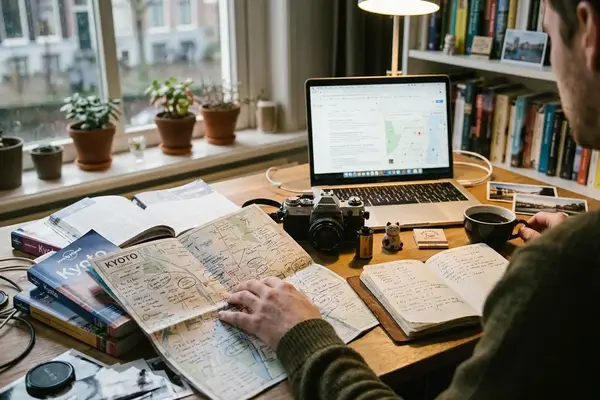
Places & Local Culture
Core topics and current thinking
4 entries
- San Francisco focus: Early web pages, guide listings, and oddball local resources show how the city presented itself online before the era of algorithmic feeds.
- Local guide culture: Posts look at the practical directories, recommendation pages, and civic resources people used to understand neighborhoods and transit systems.
- Travel curiosities: The archive highlights unusual place-based discoveries that mix trip planning, local identity, and distinct web-era personality.
- Regional comparisons: Related entries, including Canada-focused recommendations, show how different regions were surfaced through early web links and independent portals.
- Discovery patterns: Articles trace how regional directories helped readers move from broad browsing to specific cities, neighborhoods, and niche creative communities.

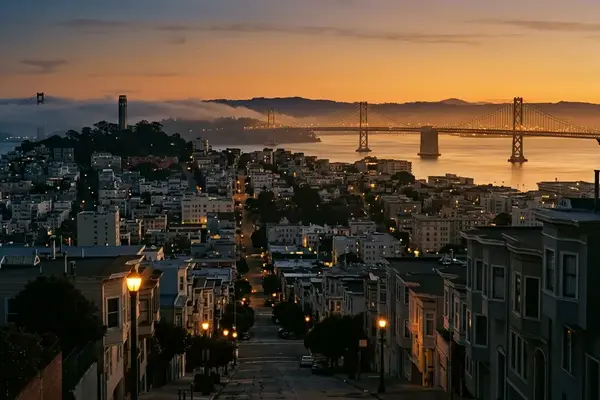
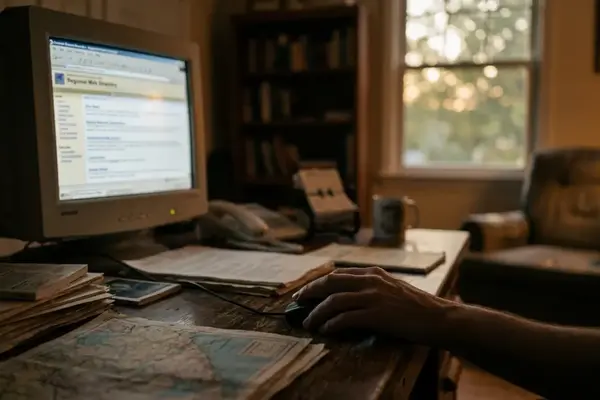
Navigating these digital artifacts requires shifting away from modern search habits. Instead of looking for polished itineraries or aggregated review scores, the goal is to uncover the idiosyncratic ways residents documented their own blocks, transit routes, and subcultures during the early web era.
To find these hidden civic layers yourself, start by querying the Internet Archive's Wayback Machine for a specific, hyper-local anchor—like the intersection of Haight and Ashbury or the old route of the 38 Geary bus—restricted to captures between 1998 and 2004. Look for plain HTML directories hosted on Geocities or early university servers. Click through the "webrings" or "links" pages at the bottom of those sites; this manual traversal bypasses dead ends and leads directly to preserved neighborhood maps, independent zine archives, and personal transit logs that modern search engines completely ignore.